Understanding Metal Roofing Case Studies
When considering a new roof, homeowners often seek examples of what they can expect from various materials and designs. This is where metal roofing case studies come into play. These case studies detail real-world projects, showcasing distinct styles, installation techniques, and the subsequent impact on home aesthetics and performance. They provide invaluable insights that can guide decisions, ensuring that homeowners select the right roofing solutions for their specific needs.
What are Metal Roofing Case Studies?
Metal roofing case studies are detailed analyses of completed roofing projects that specifically employ metal materials. They often include information on the type of metal used, installation methods, challenges faced during the project, and the visual transformations observed once the project was completed. These studies can serve both as inspiration for potential roofing projects and as educational tools that illustrate best practices in metal roofing installation and maintenance.
Importance of Case Studies in Roofing
Understanding the significance of case studies in the roofing sector cannot be overstated. They serve multiple purposes: helping consumers make informed decisions, allowing contractors to demonstrate their expertise, and providing manufacturers with feedback on their products. Case studies can highlight:
- Real-world performance and durability of metal roofing systems
- Cost-effectiveness and return on investment for homeowners
- Visual transformations that can enhance property value
By studying past projects, homeowners gain confidence in their choices, while contractors can refine their techniques based on observed successes and challenges.
Common Materials Used in Metal Roofing Projects
Various materials can be used in metal roofing, each with its own unique properties and benefits. Common types include:
- Steel: Known for its strength and durability, often galvanized or coated to prevent rust.
- Aluminum: Lightweight and corrosion-resistant, making it ideal for coastal areas.
- Copper: Offers a distinctive aesthetic and advanced longevity, often used in historical renovations.
- Zinc: Highly durable and requires minimal maintenance, with a distinctive weathering characteristic.
Each of these materials offers unique advantages and can be tailored to different types of structures and aesthetic preferences.
Exploring Different Types of Metal Roof Installations
Standing Seam Metal Roofs: Features and Benefits
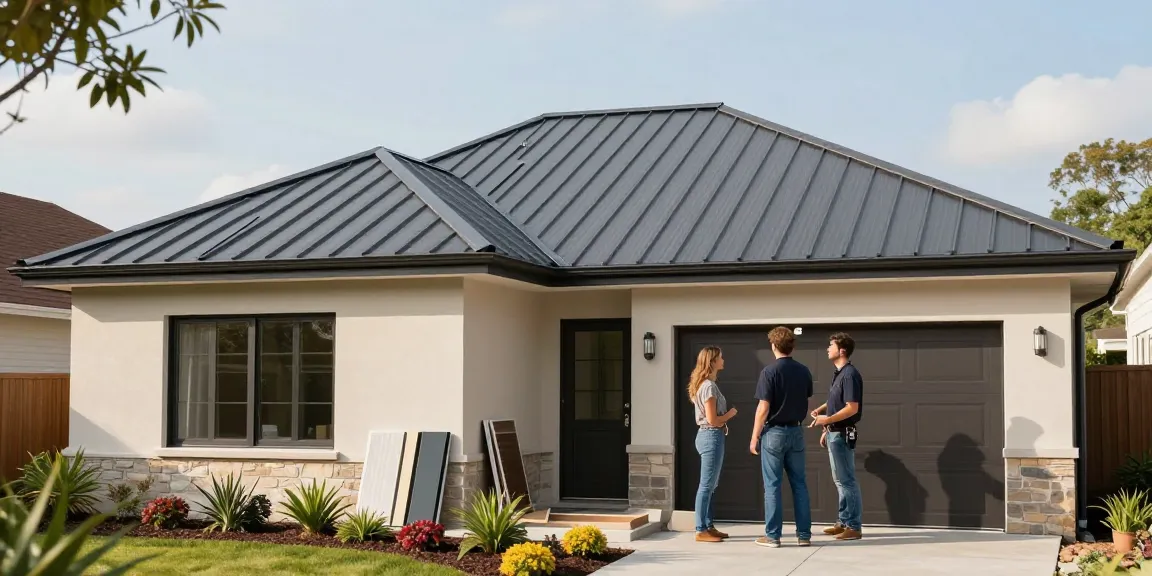
Standing seam metal roofs have surged in popularity due to their modern appearance and exceptional durability. Characterized by raised seams that interlock, they offer several benefits:
- Weather Resistance: The design prevents water infiltration and reduces the chance of leaks.
- Longevity: With a lifespan of 40 years or more, standing seam roofs are a long-term investment.
- Aesthetic Appeal: Available in numerous colors and finishes, they can enhance any architectural style.
This roofing type is particularly effective in regions experiencing heavy rainfall or snowfall, as it facilitates efficient water drainage.
Metal Shingle Roof Replacements: A Comparative Analysis
Metal shingles combine the benefits of metal roofing with a more traditional appearance. These roofs can replicate the look of asphalt shingles, wood shakes, or slate tiles while providing superior protection. Key advantages include:
- Versatility: They are available in various shapes and finishes to match different home styles.
- Longevity and Durability: Metal shingles are resistant to harsh weather conditions and pests.
- Energy Efficiency: Reflective properties can contribute to lower energy costs.
Metal shingle roofs present an excellent option for homeowners seeking an aesthetic upgrade while ensuring robust protection and durability.
Innovative Roofing Solutions: Real-life Applications
Innovative roofing solutions often incorporate advanced technologies and materials. For instance, integrating solar panels with metal roofing systems is gaining traction. Solar panels can be installed directly on standing seam roofs, enhancing energy efficiency without compromising the roof’s integrity. Additionally, many homeowners opt for cool metal roofing, which reflects more sunlight and absorbs less heat, thus lowering cooling costs in warm climates. Other applications include:
- Installing snow guards to prevent ice and snow from sliding off unpredictably.
- Utilizing rainwater harvesting systems integrated into the roofing design.
- Incorporating green roofing elements, such as vegetation on certain metal roofing types.
These innovative solutions make metal roofing not just practical but also environmentally friendly.
Analyzing Project Details: What Makes a Metal Roofing Installation Successful?
Key Factors for Successful Metal Roof Installations
The success of any metal roofing project is contingent upon several key factors:
- Proper Planning: Conducting a detailed assessment of the existing roof structure and necessary materials.
- Quality Materials: Using high-quality metal and components that meet industry standards.
- Expert Installation: Engaging experienced contractors who understand the nuances of metal roofing.
Each project must also account for local building codes and environmental conditions, ensuring compliance and durability.
Challenges Faced During Metal Roofing Projects
While metal roofing offers numerous advantages, there are challenges to consider:
- Cost: Although a long-term investment, initial costs can be higher than other roofing materials.
- Noise: Metal roofs can amplify sound during rain or hail, necessitating additional insulation.
- Thermal Expansion: Metal expands and contracts with temperature changes, which must be factored into installation.
Recognizing these challenges allows both contractors and homeowners to devise strategies to mitigate them effectively.
Expert Insights on Installation Techniques
Expert installation techniques are vital for maximizing the performance and lifespan of metal roofs. Key insights include:
- Using High-Quality Underlayment: This serves as a moisture barrier and adds an extra layer of protection.
- Employing Proper Fastening Techniques: Ensuring that panels are securely attached helps prevent wind uplift and leaks.
- Attention to Detail: Meticulous work on flashing, penetrations, and seams can prevent future issues.
Contractors who adhere to these techniques can significantly enhance the overall integrity of the roofing system.
Visualizing Transformations: Before and After Project Examples
Case Studies: Dramatic Home Transformations
One of the most compelling aspects of metal roofing case studies is the visual transformation of homes. For example, a home that opts for a metal shingle roof can shift from a dated appearance to a modern, stylish exterior.
- A before-and-after project showcasing a farmhouse renovation highlights the improved aesthetics and value added through a stylish metal roofing solution.
- Another transformation demonstrates the effectiveness of standing seam roofing, wherein an aging asphalt roof is replaced, revealing a sleek and contemporary design.
Such dramatic changes inspire homeowners and showcase the potential for enhancing curb appeal.
Highlighting Key Features: A Closer Look at Projects
In examining successful projects, several features stand out:
- Color Matching: Successful installations often feature color schemes that complement the overall design of the home.
- Unique Design Elements: Incorporation of architectural details, such as dormers or valleys, is crucial for aesthetic appeal.
- Quality Workmanship: Close attention to details like flashing and seams ensures long-term performance.
These elements are critical in achieving an impactful transformation that resonates with homeowners’ preferences.
Comparative Analysis of Aesthetic Changes
When analyzing aesthetic changes resulting from metal roofing installations, several factors come into play:
- Contrast in Material: Metal often offers a sleeker, more refined appearance compared to traditional alternatives.
- Curved and Angled Designs: Metal roofing can seamlessly accommodate unique architectural features.
- Variety of Finishes: Homeowners have access to numerous colors and finishes, allowing for personalized design choices.
By comparing these aesthetic shifts, homeowners can better visualize the potential benefits of metal roofing.
Future Trends in Metal Roofing: What to Expect in 2026 and Beyond
Technological Innovations in Metal Roofing
The future of metal roofing is bright, with advancements on the horizon. Innovations are expected in areas such as:
- Smart Roofing Technologies: Integration of IoT devices for monitoring roof conditions and energy efficiency.
- Improved Finishing Techniques: Developments in coatings that enhance durability and aesthetics.
- Advanced Materials: Research into new alloys that offer even greater longevity and performance.
These advancements will make metal roofing systems even more attractive for homeowners looking for both style and substance.
Sustainable Practices in Metal Roofing Installations
As sustainability becomes a growing concern, metal roofing is aligning with eco-friendly practices. Key trends include:
- Recyclability: Metal roofing materials are highly recyclable, reducing waste.
- Energy Efficiency: Cool roofing options help decrease energy consumption.
- Local Sourcing: Emphasizing materials sourced from local suppliers to reduce carbon footprints.
These practices not only advance environmental goals but also attract eco-conscious homeowners.
Adapting to Changing Consumer Preferences
Homeowner preferences are evolving, with a significant shift towards customizable and aesthetically pleasing options. Metal roofing companies are responding by offering:
- Tailored Designs: Increased emphasis on personalized styles that reflect individual homeowners’ tastes.
- Color Variety: Expanded palettes that cater to diverse architectural styles.
- Durability and Performance Enhancements: Ongoing improvements in product longevity and weather resistance.
These adaptations ensure that metal roofing remains a leading choice in an ever-changing market.
How Do Metal Roofs Perform in Extreme Weather Conditions?
Metal roofs are known for their exceptional performance in extreme weather conditions. Their ability to shed snow and resist high winds makes them ideal for regions subject to severe weather. Additionally, the materials used in metal roofing are often treated to withstand corrosion and rust, ensuring longevity even in harsh climates. Case studies have shown that properly installed metal roofs can endure hurricanes, heavy snowfall, and intense heat without significant damage.
What Makes Standing Seam Roofing a Great Investment?
Standing seam roofing is a worthwhile investment for several reasons. Its durability translates to lower maintenance costs over time, while its energy-efficient properties can lead to reduced heating and cooling expenses. Furthermore, the sleek, modern look of standing seam roofs can significantly enhance a property’s curb appeal, potentially increasing its resale value. Homeowners often find that the long-term benefits outweigh the initial costs involved in installation.
Are Metal Roofs Suitable for All Home Styles?
Metal roofs are adaptable to a wide range of architectural styles. Whether it’s a contemporary urban home, a traditional farmhouse, or a sleek modern build, metal roofing options can complement various aesthetics. Advances in manufacturing have led to designs that mimic traditional roofing materials, allowing homeowners to enjoy the benefits of metal roofs without compromising on appearance.
What Are the Long-Term Benefits of Metal Roofing?
Investing in metal roofing offers numerous long-term benefits, including:
- Longevity: A well-installed metal roof can last 50 years or more with minimal maintenance.
- Increased Home Value: The durability and aesthetic appeal of metal roofing often lead to higher property values.
- Energy Efficiency: Reflective coatings can help reduce energy consumption.
These advantages make metal roofing a sound investment for homeowners seeking both durability and value.
How to Choose the Right Metal Roofing Contractor?
Selecting the right contractor is crucial for the success of any metal roofing project. Homeowners should consider the following:
- Experience: Look for contractors with a proven track record in metal roofing installations.
- References and Reviews: Seek feedback from previous clients to gauge the contractor’s reliability and workmanship.
- Licensing and Insurance: Ensure that the contractor is licensed and insured to protect against potential liabilities.
Taking these steps will help ensure that homeowners choose a qualified contractor who can deliver high-quality installations.