Understanding Piping Stress Analysis in Canada
Piping stress analysis is a critical component in ensuring the safety and reliability of piping systems across various industries. In Canada, where stringent engineering standards govern operations, effective piping stress analysis can prevent costly failures and enhance the overall integrity of infrastructure. As industries strive for greater efficiency and safety, the importance of proper analysis becomes even more pronounced. When exploring options, Piping Stress Analysis Canada provides comprehensive insights into the methods and practices necessary for compliance and safety.
What is Piping Stress Analysis?
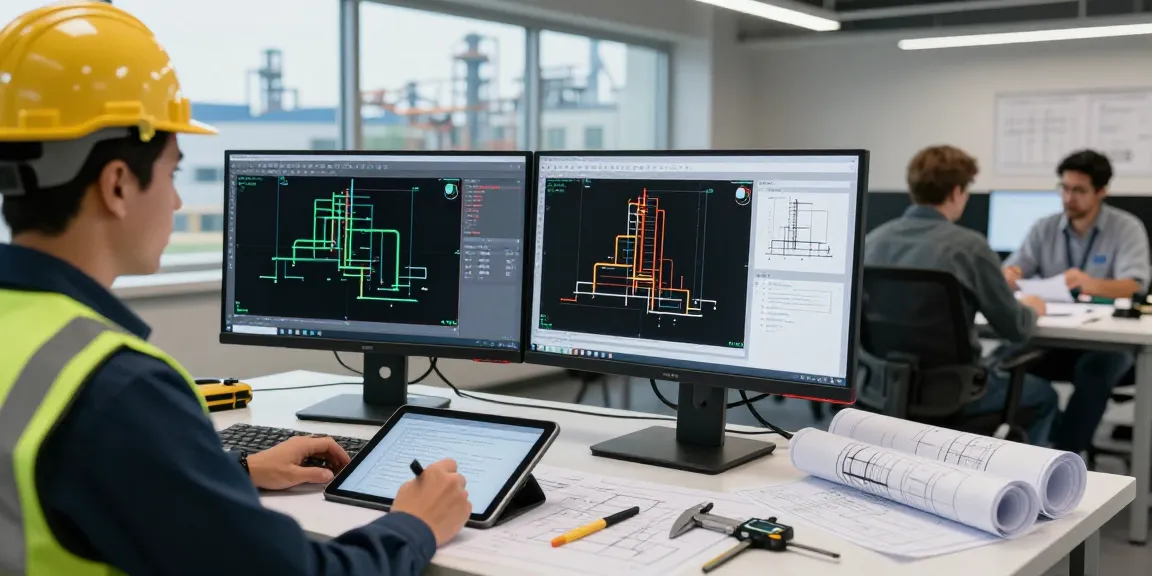
Piping stress analysis involves the evaluation of the stresses and strains that occur within piping systems under various operating conditions. This process assesses the impact of factors such as thermal expansion, pressure changes, and external forces, ensuring that the piping system can withstand these forces without failure. Engineers utilize advanced software tools to model pipe behaviors accurately, helping to predict potential issues before they escalate into significant problems.
Importance of Piping Stress Analysis in Engineering
The primary importance of piping stress analysis lies in safety and compliance. By examining how piping systems behave under various conditions, engineers can design systems that meet safety regulations and industry standards. Proper analysis helps avoid failures that could lead to catastrophic accidents, environmental disasters, and costly downtimes. Furthermore, effective stress analysis contributes to operational efficiency by identifying areas where redesign or reinforcement is necessary, ultimately improving the facility's performance.
Key Canadian Standards and Regulations
Canada has established several standards governing piping systems, which include ASME B31.1 for power piping and ASME B31.3 for process piping. These regulations mandate specific requirements for the design, materials, and installation of piping systems to ensure safety and reliability. Compliance with these standards is not just a legal obligation but also a best practice that engineers must adhere to in order to maintain the integrity of their projects.
Challenges in Piping Stress Analysis
Despite its importance, piping stress analysis is not without its challenges. Engineers often face various hurdles that can complicate the analysis process and lead to suboptimal designs.
Common Misconceptions About Piping Stress Analysis
One common misconception is that piping stress analysis is only necessary for high-risk industries such as oil and gas. In reality, all industries that utilize piping systems, including food and beverage, pharmaceuticals, and water treatment, should conduct thorough analyses. Ignoring this essential practice can lead to failures regardless of the industry.
Technological Challenges in Implementation
The rapid pace of technological advancement can also present challenges. Staying updated with the latest software tools and methodologies can be overwhelming. Engineers must continuously invest time and resources into training and development to ensure their skills remain relevant in this ever-evolving landscape.
Addressing Industry-Specific Piping Stress Concerns
Different industries face unique challenges regarding piping stress analysis. For instance, piping systems in chemical plants might encounter extreme temperatures and pressures, while those in hospitals must ensure that any failures do not disrupt essential services. Tailoring the analysis approach to address these specific concerns is crucial for success.
Best Practices for Effective Piping Stress Analysis
To overcome the various challenges associated with piping stress analysis, engineers should adopt certain best practices that ensure comprehensive and effective evaluations.
Using Advanced Software for Accurate Analysis
Utilizing advanced engineering software such as CAESAR II and AutoPIPE is essential for performing accurate piping stress analysis. These programs allow engineers to simulate various conditions and evaluate potential stress points and failures in the system. By investing in top-notch software, engineers can significantly enhance the accuracy and reliability of their analyses.
Collaborative Approaches in Engineering Projects
Cultivating a collaborative environment among different engineering disciplines can lead to more effective outcomes in piping stress analysis. For instance, structural, mechanical, and civil engineers working together can share insights and identify potential issues early in the design process, minimizing risks associated with piping stress.
Risk Management and Mitigation Strategies
Engineers must implement robust risk management strategies when conducting piping stress analyses. Identifying potential risks, assessing their impact, and planning mitigation measures can significantly enhance the overall safety of the piping system. This proactive approach not only protects the integrity of the infrastructure but also safeguards worker safety and environmental health.
Real-World Applications and Case Studies
The application of piping stress analysis extends beyond theoretical models, with numerous real-world instances demonstrating its critical role across various sectors.
Case Study: Successful Piping Stress Analysis in the Oil and Gas Sector
One notable example from the oil and gas sector involved a major pipeline installation project. Due to the harsh environmental conditions and extreme pressure fluctuations, engineers conducted extensive piping stress analysis to ensure the system could withstand these demands. By identifying potential failure points early in the design phase, the project team was able to implement strategic reinforcements that ultimately led to a successful installation and operation.
Impact of Piping Stress Analysis on Industrial Safety
Through effective piping stress analysis, industries have seen marked improvements in safety records. By adhering to best practices and regulations, companies can avoid catastrophic failures that put employees and the environment at risk. This proactive approach not only saves lives but also reduces the financial burden associated with accidents and repairs.
Innovative Solutions Derived from Analysis Data
Data gained from comprehensive piping stress analysis can inspire innovative engineering solutions. For instance, findings from analysis can lead to the development of new materials or design practices that enhance system resilience, improve efficiency, and reduce costs. By leveraging this data, engineers can push the boundaries of what’s possible within their respective industries.
Future Trends in Piping Stress Analysis
As technology continues to evolve, the future of piping stress analysis looks promising, with several trends on the horizon that could revolutionize the field.
Emerging Technologies for Enhanced Analysis
New computational methods and machine learning algorithms are beginning to play an essential role in piping stress analysis. These technologies can analyze vast amounts of data much faster than traditional methods, allowing for more precise predictions and insights. As these technologies become more integrated into engineering practices, the accuracy and efficiency of piping analysis will improve significantly.
Predictions for Piping Engineering in 2026
Looking ahead to 2026, we can anticipate a shift towards greater automation in piping stress analysis. With advancements in artificial intelligence, more automated systems will help in real-time analysis and monitoring, reducing human error and increasing efficiency. This transition will enable engineers to focus more on strategic decision-making and less on routine calculations.
How Regulations are Evolving in Canada
As environmental considerations and safety standards continuously evolve, Canadian regulations surrounding piping systems will likely become more stringent. Engineers must stay abreast of these changes to ensure compliance and maintain operational integrity. Anticipating regulatory shifts will be crucial for companies aiming to remain competitive and compliant.
What are the main benefits of Piping Stress Analysis?
Piping stress analysis offers several benefits, including enhanced safety, compliance with regulatory standards, prevention of system failures, and improved operational efficiency. By identifying vulnerabilities within a piping system, engineers can implement corrective measures before issues arise, thereby saving costs and protecting lives.
How does Piping Stress Analysis improve safety?
Through careful evaluation of stress factors, piping stress analysis helps engineers design systems that can withstand potential hazards. By thoroughly analyzing the system under various operational conditions, engineers can ensure that the piping will perform reliably, minimizing the risk of leaks, ruptures, or failures.
What software is best for Piping Stress Analysis?
Leading software options for piping stress analysis include CAESAR II, AutoPIPE, and ANSYS. Each of these tools offers unique features that cater to different aspects of piping system design, from stress analysis to thermal simulation, enabling engineers to select the best option based on their specific project needs.
What industries benefit most from Piping Stress Analysis?
Industries that benefit significantly from piping stress analysis include oil and gas, pharmaceuticals, food and beverage, and water treatment. These sectors rely heavily on complex piping systems, and effective analysis is crucial to maintaining safety and compliance with industry regulations.
How does Canadian regulation influence Piping Stress Analysis?
Canadian regulations establish strict guidelines for piping systems, which directly influence how engineers approach stress analysis. Compliance with these regulations ensures not only the safety of the system but also the protection of the environment and public health.