
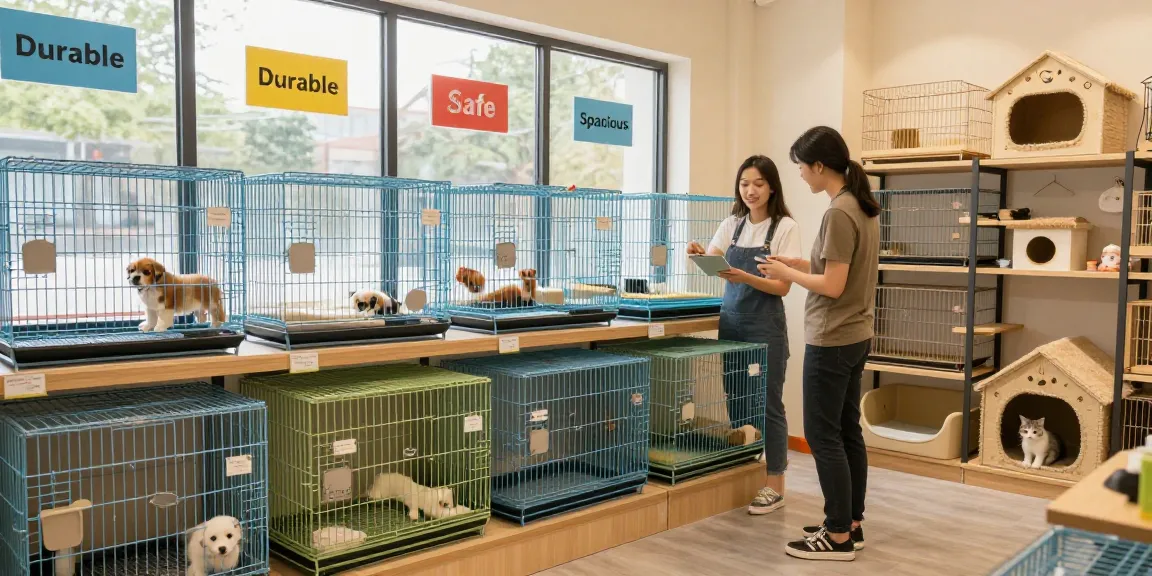
Understanding Pet Store Animal Cages
When it comes to ensuring the safety and well-being of animals in your care, understanding the importance of Pet Store Animal Cages is essential. These cages serve as critical environments for a variety of pets, enabling pet store owners and animal professionals to provide safe, secure, and comfortable accommodations for their furry or feathered clientele. In this article, we delve deep into the different aspects of pet store animal cages, from types and benefits to best practices for usage.
What Are Pet Store Animal Cages?
Pet store animal cages are specially designed enclosures that serve various purposes, depending on the needs of the animals and the environment in which they are kept. They can range from small habitats for rodents to larger enclosures for dogs, cats, and exotic species. The primary goal of these cages is to provide a safe and secure space where animals can thrive while also being accessible to potential adopters or customers.
Types of Cages Available for Different Animals
The selection of cages at pet stores varies significantly based on the type of animal housed within them. Here are some popular categories:
- Small Animal Cages: These are typically used for small pets like hamsters, guinea pigs, and rabbits. They often include multiple levels and play areas to ensure engagement and movement.
- Cat Condos: Designed for feline friends, these units provide private areas for cats, often with enclosed spaces and climbing structures.
- Dog Crates: These cages are crucial for pet stores that also offer dogs for sale or adoption. They provide a safe space for larger animals, with proper ventilation and easy access for staff and customers.
- Exotic Animal Enclosures: Specific designs cater to reptiles, birds, and other exotic pets, ensuring they have the right temperature, light, and humidity levels.
Benefits of High-Quality Animal Cages
Investing in high-quality animal cages offers numerous benefits for both the animals and the businesses that care for them:
- Safety and Security: Sturdy construction prevents escapes and protects animals from harm.
- Health and Hygiene: Quality materials are easier to clean, meaning a healthier environment for the animals.
- Comfort: Thoughtful design features (like bedding areas, proper ventilation, and space) enhance the animals’ comfort.
- Marketability: Well-crafted cages attract customers, presenting animals in a more appealing manner.
Choosing the Right Cage for Your Pets
Selecting the perfect cage for your pet store requires careful consideration of several factors to ensure that both the animals and your business thrive. Understanding these elements can significantly affect customer satisfaction and animal welfare.
Factors to Consider When Selecting a Cage
When choosing cages for your pet store, keep these factors in mind:
- Animal Size: Ensure the cage dimensions are appropriate for the size of the animal it will house.
- Environment Needs: Different species have specific requirements for temperature, light, and space.
- Accessibility: Cages should be easy for staff to access for cleaning and feeding and also allow potential adopters to interact with the animals safely.
- Durability: Opt for materials that withstand wear and tear, ensuring longevity and safety.
Space Optimization Tips for Pet Stores
Space can often be a challenge in a pet store environment. Here are some effective tips for optimizing your layout:
- Vertical Space: Use multi-level cages for small animals to make the most of your retail space.
- Modular Systems: Invest in modular cages that can be reconfigured based on current inventory or sales.
- Display Cages: Create attractive displays that not only house animals but also draw customers’ eyes.
Common Misconceptions About Pet Store Animal Cages
Several misconceptions may arise regarding pet store animal cages. Understanding the reality can help you better serve your customers:
- All cages are the same: In reality, cages are tailored for specific animals, and what works for one may not suit another.
- Cost equals quality: While price can indicate quality, some affordable cages meet high safety standards.
- Animal cages limit movement: Well-designed cages actually encourage movement and provide safe spaces for pets.
Features to Look For in Pet Store Animal Cages
Knowing which features are essential in a pet store cage can make a significant difference in the animals’ well-being and your store’s success.
Safety Standards and Regulations
Compliance with industry safety standards is crucial. Look for cages that meet or exceed safety requirements, including:
- Non-toxic materials
- Secure locking mechanisms
- Proper ventilation to prevent overheating
Durability and Material Considerations
Cage materials affect longevity and maintenance. Options include:
- Metal: Often the most durable, metal cages resist chewing and scratching.
- Plastic: Lightweight and easy to clean, but may not be suitable for all animals.
- Wood: Aesthetic and cozy for small animals but requires regular maintenance against moisture.
Design Elements for Comfort and Accessibility
Consider these design elements to enhance comfort:
- Bedding Areas: Include soft bedding for pets to rest comfortably.
- Grated Floors: Opt for designs that allow for easy waste disposal while ensuring comfort.
- Interactive Features: Cages with climbing areas or toys can keep animals engaged and reduce boredom.
Best Practices for Using Pet Store Animal Cages
Once you have invested in high-quality cages, implementing best practices will ensure they serve their intended purpose effectively.
Proper Cage Maintenance and Cleaning
Regular maintenance is essential for the health of animals. Follow these steps:
- Daily cleaning of waste, food remnants, and soiled bedding.
- Weekly deep cleaning to sanitize surfaces and replace bedding.
- Regular inspections for wear and tear to ensure cages remain safe and functional.
Enhancing Animal Well-Being in Enclosures
Beyond clean environments, consider these practices to enhance well-being:
- Provide enrichment activities and toys to stimulate mental activity.
- Rotate animals in and out of cages to provide a change of scenery.
- Offer fresh, clean water at all times, as hydration is vital for health.
How to Educate Customers on Cage Care
Education is key in ensuring that pets continue to thrive post-adoption. Here’s how to educate customers:
- Provide care guides that outline cleaning schedules and health checks.
- Offer workshops on proper care practices for potential pet owners.
- Use signage that highlights the unique features of the cages and their benefits.
Future Trends in Pet Store Animal Cages
As trends evolve, it’s essential to stay informed about the future of pet store animal cages. Understanding these trends can position your store favorably in the market.
Innovative Designs and Technologies for 2026
Future cages may incorporate smart technology to enhance animal care, including:
- Temperature and humidity control systems that automatically adjust based on the environment.
- Remote monitoring that allows staff to check on animals from mobile devices.
- Interactive features that engage animals and stimulate their natural behaviors.
Sustainability Practices in Animal Cages
More pet stores are focusing on sustainability, which can include:
- Using recycled materials for cages to appeal to environmentally conscious consumers.
- Implementing eco-friendly cleaning products to maintain hygiene without harming the planet.
- Promoting adoption over purchasing, which can reduce the number of animals in need of homes.
Adapting to Changing Customer Preferences
Understanding consumer trends will allow pet stores to adapt and thrive. Key areas of focus include:
- Customization options for cages that cater to varying customer needs and preferences.
- Increased demand for multi-functional cages that serve both display and habitat purposes.
- Health and wellness trends that emphasize the importance of animal comfort and environment.
What sizes of cages are best for small animals?
When selecting cages for small animals, sizes vary based on species. For instance, hamsters may thrive in cages as small as 24″x12″, while guinea pigs need a minimum of 30″x36″ to move comfortably.
How do I ensure the safety of animals in cages?
Ensure safety by using non-toxic materials, secure latch mechanisms, and regularly checking for wear and tear. Providing safe accessories and avoiding overcrowding are also vital.
What materials are best for pet store animal cages?
Metal and high-quality plastics are often favored for durability and safety. The specific material may vary depending on the species being housed.
Are custom cages a viable option for retailers?
Yes, custom cages can be an excellent option for retailers who want to optimize space and cater to specific animal needs. Custom designs can enhance aesthetics and functionality.
How can I find reliable suppliers for animal cages?
Researching suppliers through trade shows, industry associations, and online reviews can help you find reliable sources. It’s also beneficial to request samples or visit facilities to assess quality firsthand.